
Wow! I was thinking about storage and trading habits this morning. Most people pick whatever app has the slickest charts or the flashiest onboarding. Initially I thought hardware wallets were a solved problem, but then I watched a friend nearly lose a nest egg to a replayed phishing flow that targeted both his phone and a poorly-secured laptop, and that changed my outlook. I’m biased, but you should care—more than you probably do.
Really? The UI doesn’t equal security. Something felt off when platforms treated custody like a checkbox and not as a series of boundary decisions. My instinct said to test the whole chain: seed phrase handling, firmware updates, and how the device interacts with third-party web apps. On one hand, there are certified chips and documented attestation, though actually many users skip updates or write seeds into cloud-synced notes, which is exactly where attackers look first. This messes with the entire promise of self-custody.
Here’s the thing. Trading crypto and protecting private keys are cousins, not strangers. If you trade on exchanges, you accept counterparty risk; if you self-custody, you accept operational risk, and bridging between those worlds—into DeFi—mixes both. Whoa! You’ll see people happily approving unlimited allowances for an ERC-20 token just to save a few clicks, and that casual click can turn into a drain. Initially I thought permission UX was just annoying, but then realized it’s the main attack surface for many DeFi exploits.
Wow! Good device hygiene is basic, yet very very overlooked. Keep firmware current. Use PINs and passphrases in layers, and prefer air-gapped signing when you can. On a deeper level, consider where you back up seeds: physical metal backed by redundancy beats a phone screenshot every time, though even metals corrode if stored poorly. I’m not 100% sure which commercial metal option is the best right now, but paper folded into a fireproof safe is still better than a cloud note.
Connecting to DeFi without handing over your keys
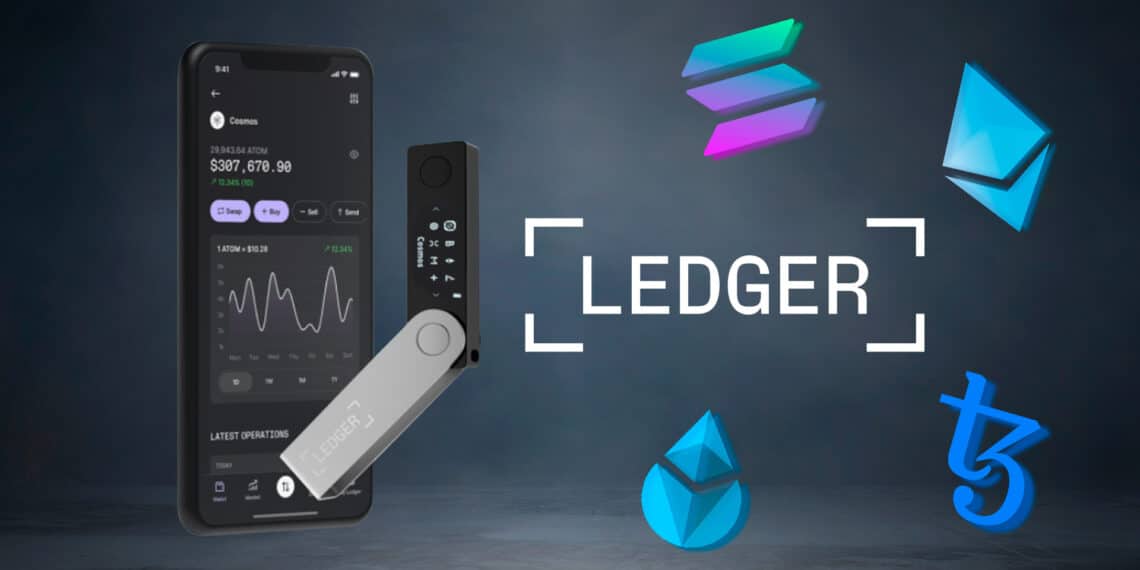
Here’s the thing. Use a hardware wallet as your signing oracle, not a clicking convenience. For browser dApps, prefer deliberate signatures and tools that display full transaction details on-device; if the device shows only a hash, think twice. I use ledger live sometimes as the management layer—it’s not perfect, but it avoids a lot of middle-of-the-road mistakes if you pair it with manual verification and conservative allowances. Seriously? Always double-check contract addresses, especially when a DEX UI promises impossibly cheap trades or liquidity that looks too good to be true. On one hand, hardware wallets reduce online risk, though actually tying them into complex DeFi flows means learning a few developer-level concepts, like EIP-712 and permit patterns, which most traders ignore.
Really? Multisig is underrated. For anyone holding significant funds or running funds for others, split keys across trusted devices and people. My instinct said to do a 2-of-3 setup with one cold signer, one hot-but-watched signer, and one geographically separated signer. On the other hand, multisig brings operational complexity—key rotation, firmware mismatch, and social coordination can cause delays when you need to move fast. I’m not obsessive, but I’ve been burned by single-point convenience more than once.
Here’s the thing. When you bridge assets into other chains, you expand your threat model. Bridges can be buggy, or custodial, or both. Hmm… watch routing carefully, because attackers have done address substitution and fake wrapped tokens that look identical at first glance. Initially I thought bridges were just plumbing, but then realized they are often the plumbing with rusted bolts—if someone compromises the bridge, your assets can vanish. Use audited bridges, prefer chains with native support on your device, and consider leave-some-on-exchange for active trading while cold-storing the rest.
Wow! Signing patterns matter. Look at the allowance model: unlimited approvals are a convenience tax. Revoke often. Use tools that query on-chain approvals and trim them back when you’re done. On one hand, gas costs make frequent approvals annoying; though actually, the security savings from scoped approvals can be substantial over time. I’m not perfect here—I’ve left approvals open in moments of laziness too, and that bugs me every time.
Here’s the thing. UX for secure trading can be better without sacrificing speed. Wallets should let you pre-approve low-risk operations, require explicit on-device confirmation for contract interactions, and support session-limited signing. My working hypothesis was that users would resist extra prompts, but then I watched a trader avoid a $40k rug by a single extra screen that forced them to read a contract name out loud. Okay, so that was dramatic, but it proves the point—small friction can save big losses. Seriously? Value at risk scales faster than attention spans.
Really? Backups deserve a protocol. I recommend at least three, geographically separated, and different formats—metal, offline microSD in a sealed container, and a paper copy in a bank deposit box if you trust that. Use Shamir backup or multisig where reasonable; if you use Shamir, test recovery with dummy funds. On one hand, redundancy solves single-point failure, though actually it increases exposure if backups are copied identically and then all leaked. Be intentional: different forms, different custodians, different risks.
Here’s the thing. If you’re moving between active trading and long-term HODLing, define clear lanes. Keep a trading hot-wallet for nimble moves and a cold-wallet for holdings you won’t touch. My instinct said to rebalance monthly, but then market volatility made me adjust—so plan a cadence and respect it. Also, consider using time-delays and transaction queuing for big withdrawals; delay gives breathing room to detect compromise. I’m not saying every user needs enterprise controls, but even hobbyists can borrow enterprise habits to reduce risk.
Common questions I get
Can I trade on DeFi directly from a hardware wallet?
Yes, but carefully. Use the wallet only as a signer and verify the full transaction details on-device. Prefer connecting through audited bridge/front-ends, limit allowances, and avoid blind approvals; also, test with small amounts until you’re comfortable. Something like air-gapped signing or a watched hot wallet can reduce exposure while you learn, and somethin’ like spending a few hours on workflow beats losing funds.
Is multisig overkill for regular users?
Not necessarily. For moderate-to-large holdings, multisig adds meaningful protection against single-device failure or social engineering. It complicates operations though—key management, firmware versions, and emergency processes must be planned. I’m biased toward safety, so for net worth above a certain threshold, multisig earns its keep.
What about mobile wallets and convenience?
Mobile wallets are great for small, frequent trades, but they shouldn’t hold your entire life savings. Use them with strict limits and pair them with a cold store. Also, watch what apps you grant broad permissions to—some mobile wallet apps ask for very invasive data that can aid attackers.
