
Whoa, this is getting real. The pace in crypto keeps accelerating, and wallets can no longer be dumb signers. Smart contract interactions now carry strategy, trade-offs, and sometimes risk that you can only see if you pause and simulate the whole thing. My instinct said a while back that wallets would evolve into full-blown trading assistants, and actually—wait—I’m seeing that play out in front of us. On one hand it’s exciting; on the other hand it feels like trust is being redistributed in weird ways.
Okay, so check this out—when you call a contract you are not just sending a transaction. You’re asking a state machine to change, and that change can ripple across liquidity pools, oracles, and MEV searchers. That ripple matters. If the wallet doesn’t simulate the call, you could be slippage-surprised, sandwich-attacked, or generally bamboozled. Initially I thought wallet UX would prioritize simplicity, but then I realized users want clarity under the hood too, especially traders and power users.
Here’s the thing. Simulation is no longer a luxury. It is part risk-control and part user education. Simulating a transaction reveals whether an approval is excessive, whether the gas estimate is realistic, and whether a reentrancy vector exists in the unlikeliest of places. Hmm… I said “realistic” because many gas estimators underestimate under congestion, and that bugs me. I’m biased, but I’d rather pay a little more for certainty than save a dime and get reverted.
Short story—measuring outcome probability matters. Wallets should show realistic failure modes and alternative paths before you hit “confirm”. That means bundling a few different checks: static code analysis, dry-run simulations on a fork, and mempool-aware checks that estimate MEV exposure. On the flip side, these checks add latency and complexity, and some users will hate that. I’m not 100% sure how to perfectly balance speed versus safety, but the trade-off is real.
Really? You still trust raw approvals? A lot of people do. The approval model in ERC-20 is blunt. Approve infinite and move on, or approve every time and get annoyed. Most wallets haven’t helped users with nuanced choices. They either implement the status quo or add confusing toggles. We can do better. For example, ephemeral allowances, per-contract caps, and simulation-backed recommendations shift the balance toward safer defaults. I saw a hack where an infinite approval was exploited after a swap went sideways—very very painful for the user.
Wallet design also intersects with MEV. MEV is ugly and neutral at the same time; it is neither purely malicious nor purely benign. MEV can be extracted via frontruns, backruns, or sandwich attacks, and some searchers even help with liquidity by performing arbitrage. On one hand miners/validators can be part of the problem. On the other hand, there are relays and builders trying to protect users, too. Initially I assumed MEV was only for high-frequency players, but actually every DeFi user is exposed unless the wallet helps.
Seriously? Yes, really. A good wallet should offer MEV protection modes and explain the trade-offs. That can look like: route transactions through private relays, use transaction ordering strategies, or integrate with bundles that guard you from sandwich attacks. These are not magic bullets though. Private relays can increase latency, and bundles can cost extra fee. It’s a choice between probable neutrality and guaranteed speed. I like the neutrality approach for most swaps, but for time-sensitive arbitrage you might prefer speed.
My working-through thought was this: give users layered options that default to safety, and allow power users to override. That seems obvious, but UX usually gets in the way. Wallets that simulate transactions can present a “safety score” and a reasoned explanation for that score, not a black-box number. On a deeper level, this score should be explainable—i.e., show the likely culprit (slippage, low liquidity, reentrancy risk, or MEV exposure). I’m not claiming perfection, though; it’s hard to model on every chain.
Hmm… one more tangent (oh, and by the way…)—privacy and telemetry creep in as wallets add these protections. If simulations require sending transaction data to a remote service, your privacy footprint grows. Some solutions use client-side forking or local VM simulation to keep data private, but that drains resources on devices. It’s a balancing act between local compute and centralized services. My gut says keep the sensitive bits client-side when possible, but I’m realistic about mobile constraints.
Here’s where things get practical. A wallet that simulates smart contract interactions, warns you about approvals, and offers MEV-aware routing can reduce losses materially. For example, pre-trade simulation can flag a token with an exploit-like transfer hook and stop you before funds move. Similarly, simulation can suggest better gas limits or recommend splitting a large swap into smaller tranches to avoid slippage and MEV. These features are not hypothetical—they’ve prevented expensive mistakes for people I know in the industry.
Wow, that was a mouthful. Let me unpack how a wallet might actually implement this: first, deterministic simulation against a recent block or a forked state. Second, mempool analysis to estimate sandwich risk and high-frequency frontruns. Third, optional integration with privacy relays and MEV-aware builders. Fourth, UX that translates the technical output into actionable advice for humans. Each of these layers has trade-offs and attack surfaces though, so design carefully.
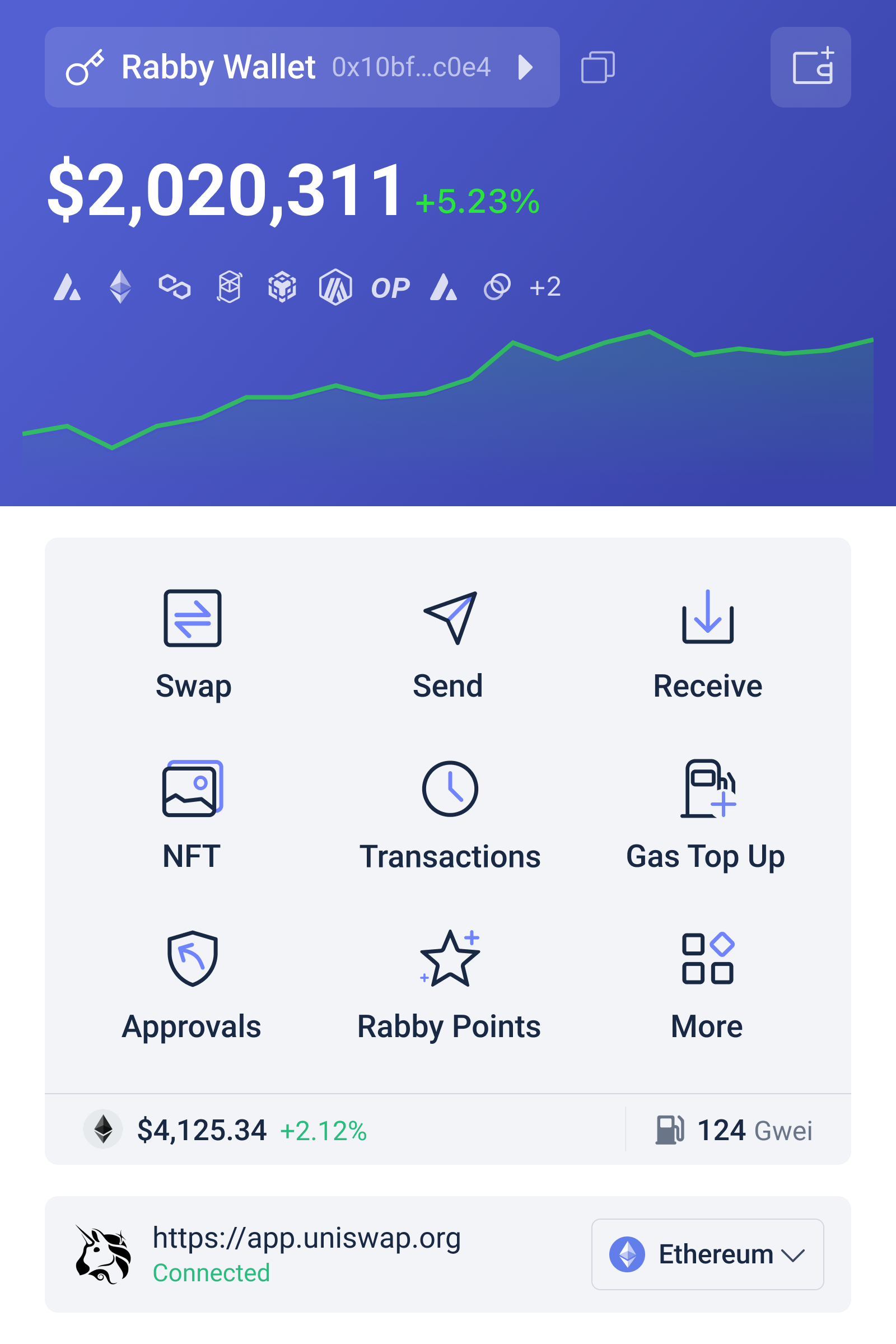
Now, here’s a practical recommendation from the trenches—test the wallet on mainnet with small amounts first, and use simulation-heavy settings before scaling up. Tools and wallets that give you this kind of transparency are worth hunting for; for me the balance of simulation, UX, and privacy is key. If you want a place to start, check out a modern wallet that integrates transaction simulation and MEV defenses like rabby wallet. That link is one option among several, but it shows how features can be combined thoughtfully.
On the technical side, smart contract interaction safety involves a few common checks: verify code provenance and audit tags, simulate state transitions including possible revert reasons, and flag suspicious approval flows. Long tail attack vectors exist though—like delegatecall chains or proxy misconfigurations—and simulations can only catch what they model. So a combination of static analysis and dynamic testing is best. Honestly, some things will still slip through, and the ecosystem needs better standards.
My instinct has shifted over time. Initially I thought wallets should be minimal and dumb because trustlessness was a product of the chain, not UI. But then I watched users repeatedly sign away entropy and I realized that assistance is not the enemy of self-custody—ignorance is. So wallets should nudge and protect without becoming custodial. There’s a line there, and designers must respect it.
Alright, let’s talk about user mental models. People imagine a wallet like a bank app with a send button, but web3 is composable and stateful. Teaching users to think in terms of “what will happen after this call executes” is crucial. That mental model can be fostered by showing simulations in plain language: “If this executes now, your token balance will drop X, and liquidity position Y will change, possibly triggering slippage Z.” Even non-technical users can grok that if it’s presented clearly.
I’m gonna be blunt—some bad UX choices are unforgivable. Hiding default infinite approvals behind a single toggle is one example. Another is obfuscating MEV costs by only showing gas price without explaining builder fees. These annoyances compound until users trust nothing. Good wallets reduce cognitive load and prevent costly mistakes. They do that with defaults, explainers, and the occasional “Stop, this looks dangerous” modal that actually helps.
Finally, the future is likely to split into specialized wallets: some hyper-optimized for speed and arbitrage, others for privacy and retail safety, and hybrids that attempt to be both. I expect richer simulation stacks to become standard, and for regulators to get curious about what these hubs are doing (oh boy). On the personal side, I hope wallets keep prioritizing end-user protection while preserving self-custody and composability.
Practical Takeaways
Short checklist: simulate before signing, avoid infinite approvals, prefer wallets that provide clear MEV options, test with small funds, and keep privacy in mind. These habits will save you from tragic mistakes. I’m not claiming this is exhaustive, but it’s a solid start.
FAQ
How does transaction simulation actually work?
Simulation replays the transaction against a forked or recent blockchain state to show whether it would succeed, what balances would change, and whether known failure modes apply. It can also run heuristic checks for gas usage and potential MEV exposure, though simulations are only as good as the state snapshot and the models used.
Can MEV protection guarantee I won’t lose money?
No. MEV protection reduces certain classes of attacks like sandwiching or predictable frontruns by routing or reordering, but it cannot eliminate all costs. There are trade-offs in latency and fee. Still, well-designed protections lower risk significantly for most retail use cases.
Should I trust wallets that simulate transactions?
Trust cautiously. A wallet that simulates locally or via trusted relays and that explains findings transparently is preferable. Always combine wallet protection with personal hygiene—small test transactions, limited approvals, and staying skeptical will help a lot.
